
section heading hidden

Our Latest News


Article
- Home
- Blog
- By Exploring Orkney's Mainland Without a Car
- Comments 35
- 24 Oct 2026
The iGaming Edge: Strategies for Slots, Poker, and Sports Betting
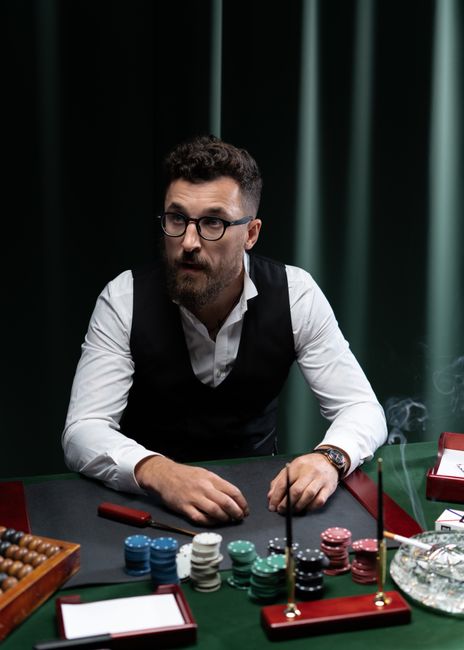
You’re not here for fluff. You want an edge. The iGaming world is vast—slots, poker, sports betting—and each has its own rhythms, myths, and math. Whether you’re spinning reels at 3 a.m. or grinding a poker tournament on a Sunday afternoon, the difference between a casual player and a consistent winner often comes down to knowledge, discipline, and a dash of psychology. Let’s cut through the noise and talk about what actually moves the needle.
Slots: More Than Just Pretty Lights
Slots get a bad rap from serious gamblers, but modern slot machines are marvels of probability engineering. The key metric? RTP, or Return to Player. A slot with 96% RTP pays back $96 for every $100 wagered over millions of spins. That 4% house edge is your cost of entertainment. But not all slots are created equal—some land at 94%, others at 97.5%. Over time, that difference is massive. If this is new to you, B52 CLUB is a sensible next read.
Variance matters just as much. High-volatility slots like Book of Dead or Bonanza offer huge potential payouts but long dry spells. Low-volatility games like Starburst pay frequently but smaller. Your bankroll and tolerance for swings should dictate your choice. If you have a $100 bankroll, chasing a 10,000x max win on a high-volatility slot is a recipe for a quick bust. Consider session goals: doubling your money or playing for 200 spins, whichever comes first.
- Check the paytable: Know the max win and symbol values before spinning.
- Use free play: Most casinos offer demo mode—test volatility without risk.
- Bonus rounds: Features like free spins with multipliers often provide the bulk of RTP. Patience pays.
- Bankroll rule: Never bet more than 1-2% of your total bankroll per spin.
Poker: Where Skill Trumps Luck
Poker is the great equalizer. Unlike slots, a skilled player can consistently profit. But the learning curve is steep. Start with position: acting last gives you information. In Texas Hold’em, the button is gold. Play more hands from late position, tighten up early. Then, pot odds: if the pot is $100 and you need to call $10 to draw to a flush (about 19% chance), your pot odds are 10:1, but your odds of hitting are roughly 4:1. That’s a profitable call in the long run.
Bankroll management is non-negotiable. A common rule: have at least 20 buy-ins for cash games. If you play $1/$2 no-limit, that’s $4,000. For tournaments, 50-100 buy-ins. This cushion absorbs variance, which is brutal in poker. Even the best players endure 20 buy-in downswings. Without proper bankroll, you’ll go broke before luck turns.
Finally, study your opponents. Online, use tracking software like Hold’em Manager or PokerTracker to identify leaks. Live, watch betting patterns. Does a player overbet when bluffing? Do they check-raise only with monsters? Adjust accordingly. The edge in poker isn’t about hero calls—it’s about exploiting small mistakes repeatedly.
- Play tight-aggressive from early position.
- Steal blinds from late position when folded to you.
- Fold marginal hands to significant raises—discipline wins.
- Review hand histories weekly to spot leaks.
Sports Betting: The Art of Beating the Line
Sports betting is not about picking winners; it’s about finding value. The oddsmakers set lines to balance action, not predict outcomes. Your job is to identify when a line is off. For example, if a basketball team is +150 underdog but your model suggests they should be +120, that’s value. Over time, betting only positive expected value (+EV) bets yields profit.
Line shopping is critical. Different sportsbooks offer different odds. A half-point difference in football spreads can turn a loss into a push or a win. Use odds comparison sites. Also, understand closing line value (CLV): if you consistently bet before lines move in your favor, you’re sharp. Track your bets—spreadsheets or apps like Bet Journal—to see where you excel.
Prop bets and live betting offer softer markets. While main lines are efficient, player props (e.g., “Will LeBron score over 25.5 points?”) are less so. But don’t overdo it. Specialize in one or two leagues you know deeply. The NFL is not the same as the NBA; each has unique injury reporting, pace, and coaching tendencies.
The Psychology of Gambling: Your Hidden Opponent
Every iGaming session involves a battle against your own brain. Tilt—the emotional spiral after a bad beat—is the number one bankroll killer. You start chasing losses, betting bigger, ignoring strategy. The fix? Pre-commit to stop-loss limits. If you lose 30% of your bankroll, walk away. Similarly, set win limits. Greed turns winners into losers.
Another trap: the gambler’s fallacy. A slot machine that hasn’t paid out in 200 spins is not “due.” Each spin is independent. In poker, a player who hasn’t bluffed in an hour might be tightening up, not “ready” to bluff. Recognize these biases and use them against opponents—but don’t fall for them yourself.
Mindfulness techniques help. Take breaks every 45 minutes. Hydrate. Avoid playing when tired, angry, or drunk. Professional gamblers treat it like a job: structured hours, performance reviews, and emotional detachment. You don’t have to go that far, but a little discipline goes a long way.
Responsible Gaming: The Non-Negotiable Foundation
No strategy matters if you’re betting rent money. iGaming should be entertainment, not a income source. Set a monthly budget—separate from bills—and stick to it. Use deposit limits, session timers, and self-exclusion tools offered by licensed casinos. If you feel you’re losing control, seek help from organizations like Gamblers Anonymous or BeGambleAware.
The house always has an edge in the long run for slots and most sports bets. Poker is the exception, but only for the top 10% of players. Be honest about which category you fall into. The goal is to have fun, maybe win a little, and never risk what you can’t afford to lose.
Final Thoughts: Play Smart, Not Hard
The iGaming landscape is constantly evolving—new slots, new poker variants, new betting markets. But the fundamentals remain: understand the math, manage your bankroll, control your emotions, and exploit small edges. Whether you’re spinning for a jackpot or grinding a final table, treat every decision as part of a larger strategy. The players who last aren’t the luckiest—they’re the most disciplined. So next time you log in, remember: the edge is yours to take, but only if you’re prepared to work for it.
Share:

Island Hopping Between Orkney's North Isles
From home-baked scones to local advice, traditional bed and breakfasts offer a personal stay that large hotels often struggle to match.
5 Comments
-

Robert Sonny says Jul 21, 2024 at 10:00am
I must explain to you how all this mistaken idea of denouncing pleasure and praising pain was born and I will give you a complete account of the system
Reply-

John Abraham says Jul 21, 2024 at 10:00am
I must explain to you how all this mistaken idea of denouncing pleasure and praising pain was born and I will give you a complete account of the system
Reply-

Robert Sonnysays Jul 21, 2024 at 10:00am
I must explain to you how all this mistaken idea of denouncing pleasure and praising pain was born and I will give you a complete account of the system
Reply
-
-
-
Robert Sonny says Jul 21, 2024 at 10:00am
I must explain to you how all this mistaken idea of denouncing pleasure and praising pain was born and I will give you a complete account of the system
Reply
Leave a reply

Trending Topics
Popular Post

28 Aug 2026
Sea Kayaking Around Orkney's Sheltered Bays


How We Can
Help You!
Self-catering gives you flexibility to explore at your own pace, cook local produce and enjoy quiet evenings by the fire.
Contact Us
There are many variations of passages of Real stories, useful guides and the occasional recommendation, all in one calm corner of the web.
Important Link
Recent Post
-
Spotting Puffins and Seabirds on Orkney's Cliffs
24 Aug 2026 -
Watching Seals and Otters Along the Orkney Shore
20 Aug 2026
Newsletter
Many desktop publi’s shing packages web page editors now is use sites.
Copyright © 2026 Holland House Orkney. All rights reserved.Holland House Orkney.